
Osteopathy
-
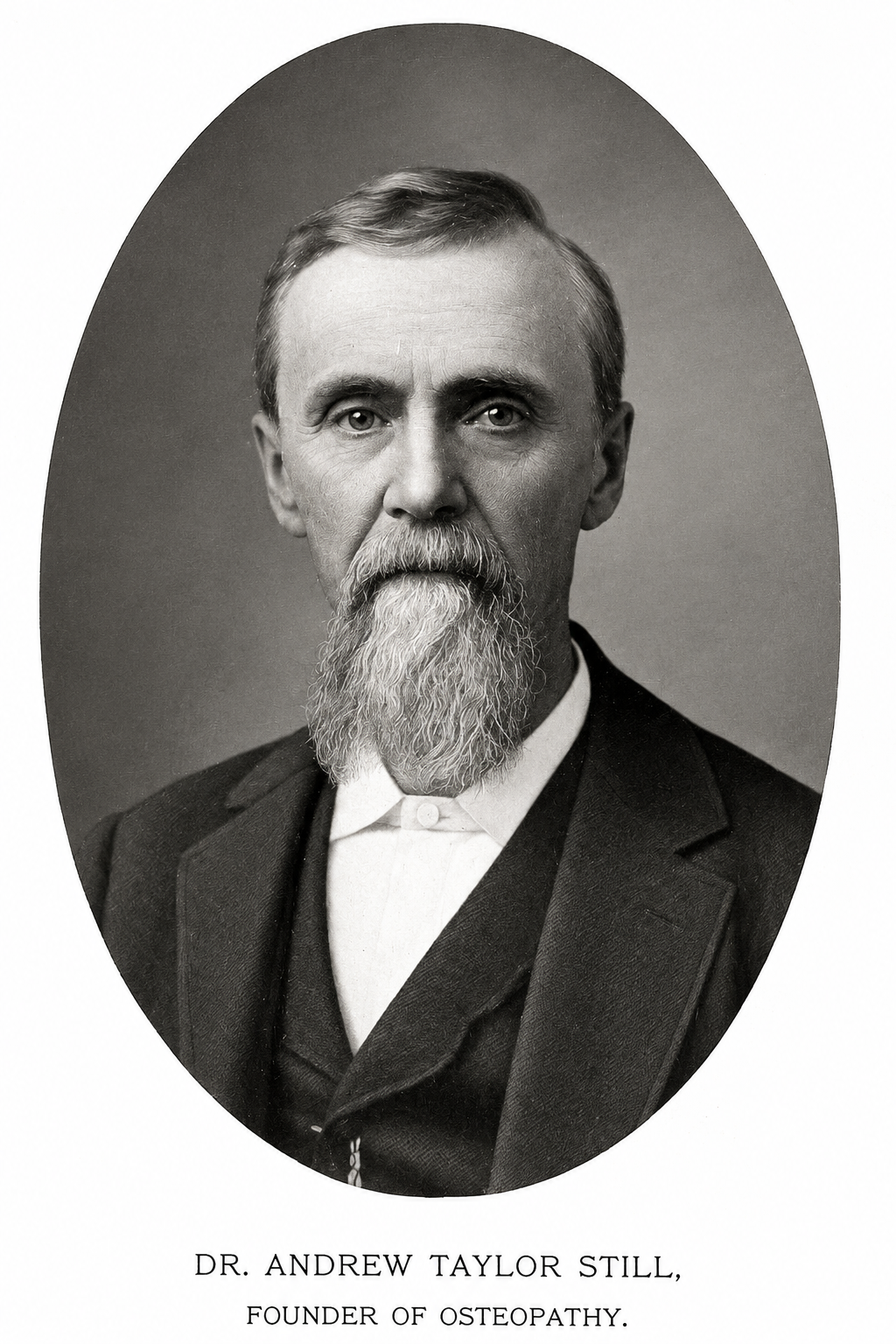
![Andrew Taylor Still]()
What is Osteopathy?
Classical Osteopathy is a principles-driven manual therapy rooted in the teachings of Dr. Andrew Taylor Still from 1874. It views the body as a self-healing, interconnected unit, emphasizing the importance of treating the whole person rather than just specific symptoms.
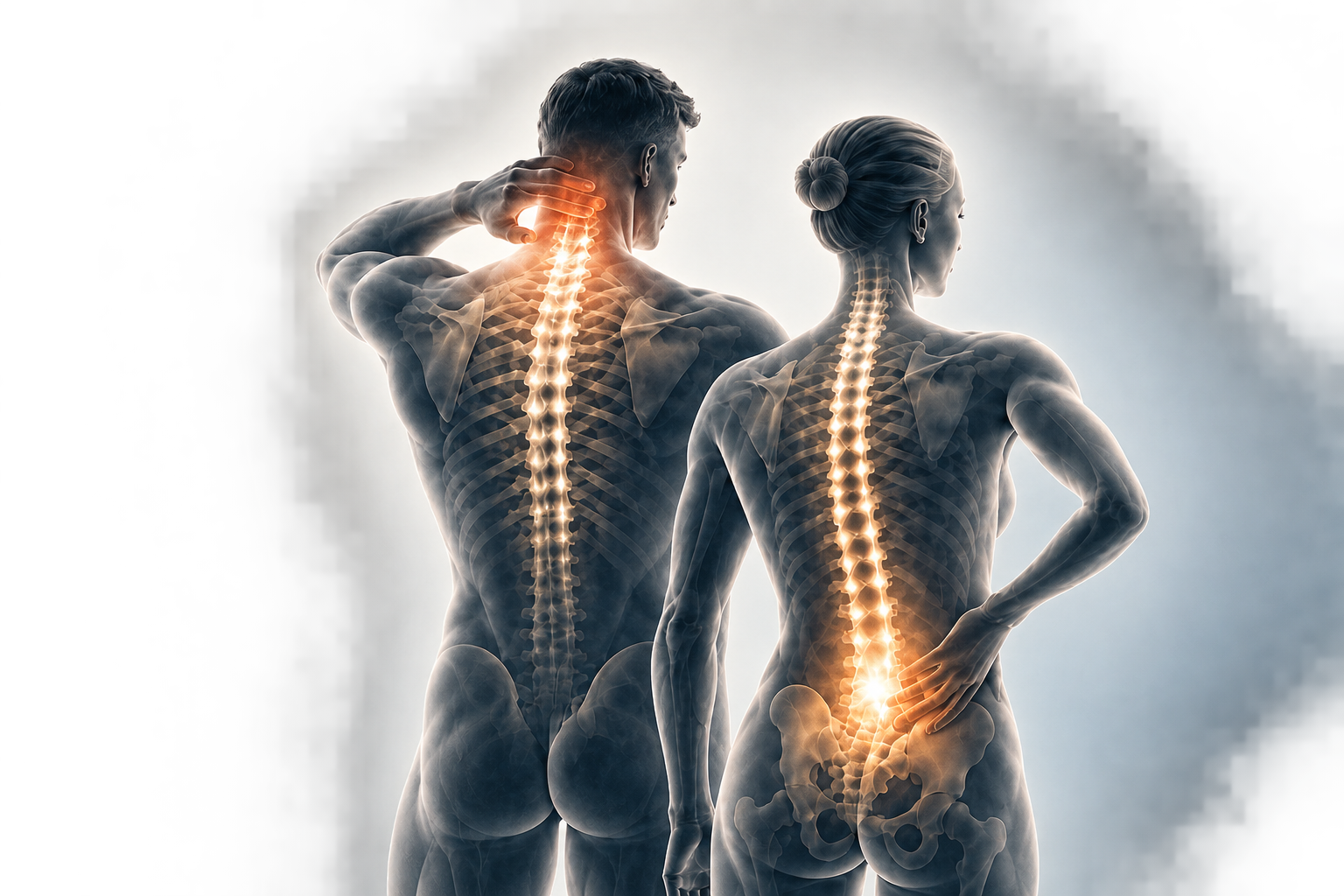
My Osteopathic education was a comprehensive science and principle-based approach to health that utilizes gentle, hands-on methods to identify and address imbalances and dysfunctions within the body's structure. By restoring symmetry and proper alignment to anatomy, osteopathy enhances the body’s natural ability to regain optimal physiological function, promoting overall well-being and improving the ability to perform daily activities.
-
![osteopathy tenets]()
Four Tenets of Osteopathy
The body is a dynamic unit
The body is capable of self-regulation and self-healing
Structure and function are interrelated
Rational treatment is based on these principles.
-
![Congruence Osteopathy]()
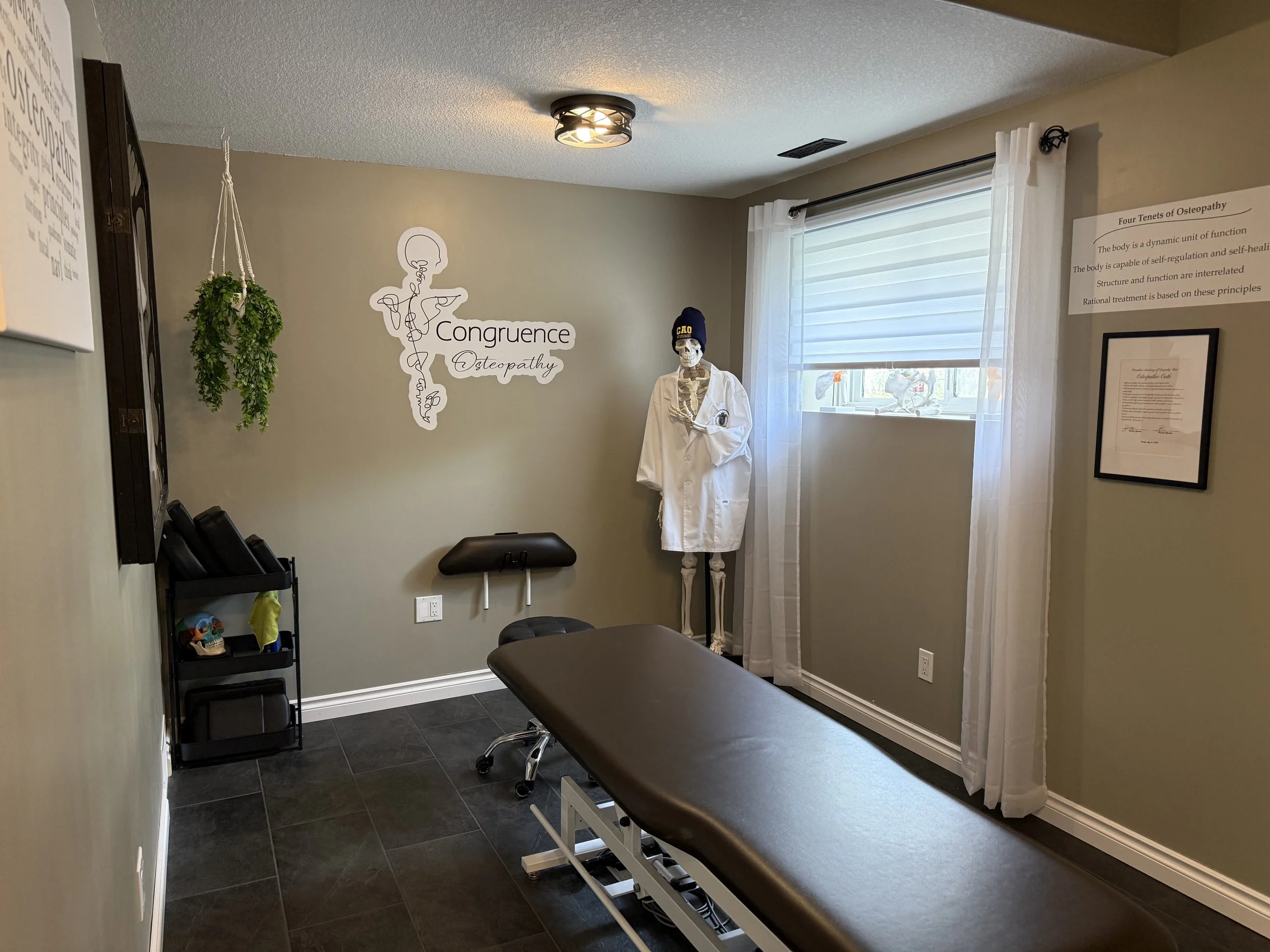
Congruence Osteopathy
Congruence Osteopathy is built on thoughtful, individualized care and the belief that every body deserves to be understood as a whole. My approach looks beyond the area of symptoms to consider how different regions of the body may be influencing one another. Treatment is guided by osteopathic principles, careful palpation, and the unique needs, history and presentation of each person. My goal is to create care that feels purposeful, respectful and specific to the person in front of me, not a one-size-fits-all treatment.
-
![My Osteopathic Education]()
My Osteopathic Education
Osteopathic manual therapy is not regulated in Alberta, and educational standards can vary significantly. I encourage you to make an informed choice by learning about a practitioner’s education, training and professional standards before booking care.
I completed a four-year, 4,200-hour Type 1 osteopathic program at the Canadian Academy of Osteopathy, including more than 1,000 hours of supervised clinical education.
-
![]()
Why is OSTCAN important to YOU?
Osteopathy Canada (OSTCAN) is a national council. OSTCAN adheres to the highest international standards in education and professionalism, including those detailed in the WHO Benchmarks, the CEN Standard and the CSA Canadian modifications of the CEN. All professional members under OSTCAN affiliates have completed a minimum of 4200 hours of osteopathic education, including a minimum of 1000 hours of supervised clinical training.
For patients, this provides a clear benchmark of comprehensive osteopathic education, measurable standards, and professional accountability.
-
![Beginning Osteopathic Care]()
Beginning Osteopathic Care
Your first treatment is an introduction to how your body responds to osteopathic treatment and helps establish a foundation for care. I ask that patients be open to 3–5 treatments, particularly when a concern has been present for an extended period of time. Within that time, we would generally hope to see some progression or improvement in symptoms, but that does not necessarily mean the issue will be fully resolved. Every person responds differently, and the number of treatments needed will depend on the nature and duration of the dysfunction, overall health, and how the body adapts to treatment.
-
![]()
After the Table
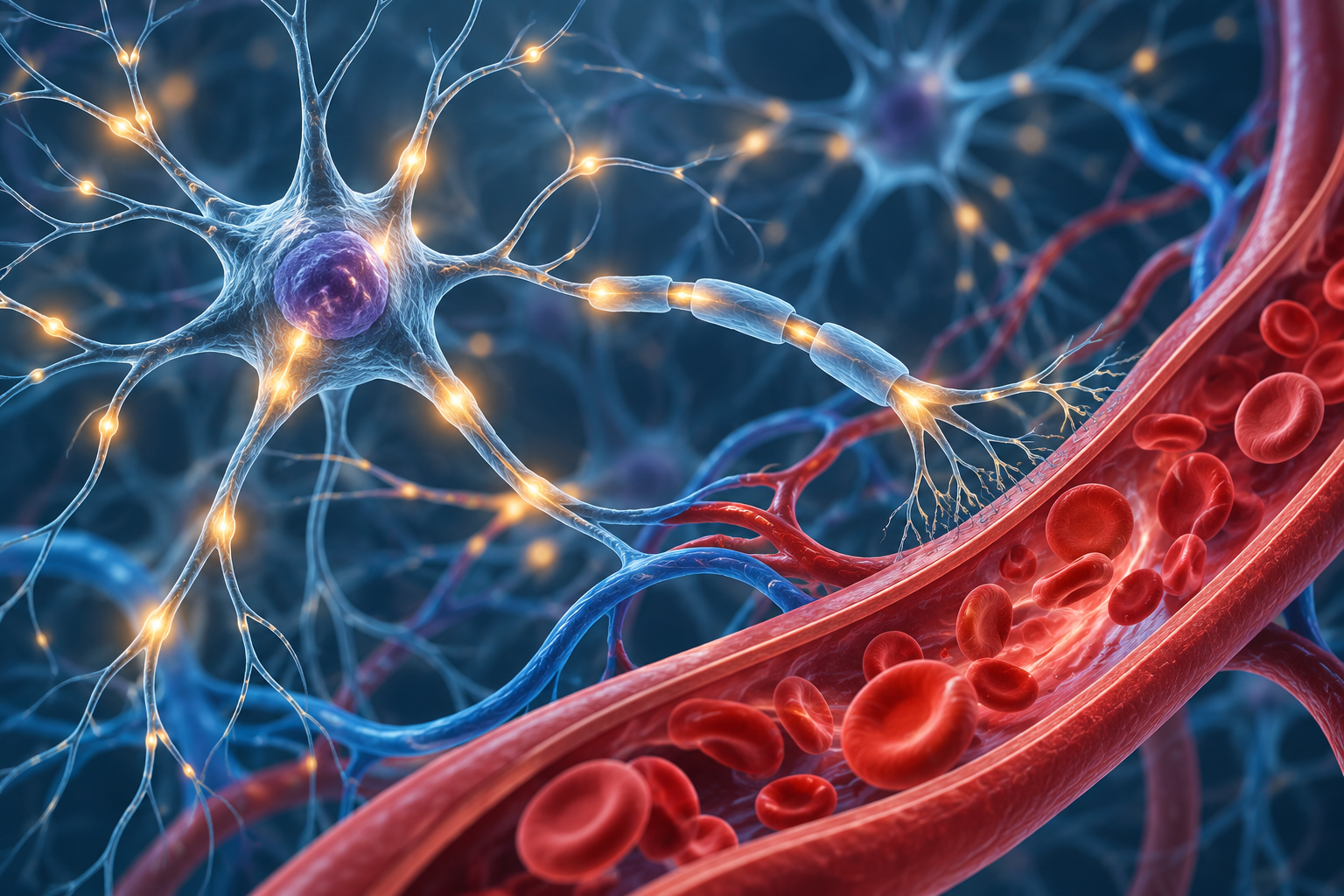
Osteopathic treatment does not end when you get off the table. The hands-on input provided during treatment gives the body new information to process, and the nervous system may need time to respond and adapt.
Proprioceptors and mechanoreceptors continually send information to the central nervous system about position, movement, tension and pressure. After treatment, this feedback may influence how the body organizes movement and function over the hours and days that follow.
For that reason, you may not feel dramatically different immediately after a treatment. Sometimes the changes are subtle at first and become more noticeable as the body integrates the treatment.
-
![Dysfunction Cycle]()
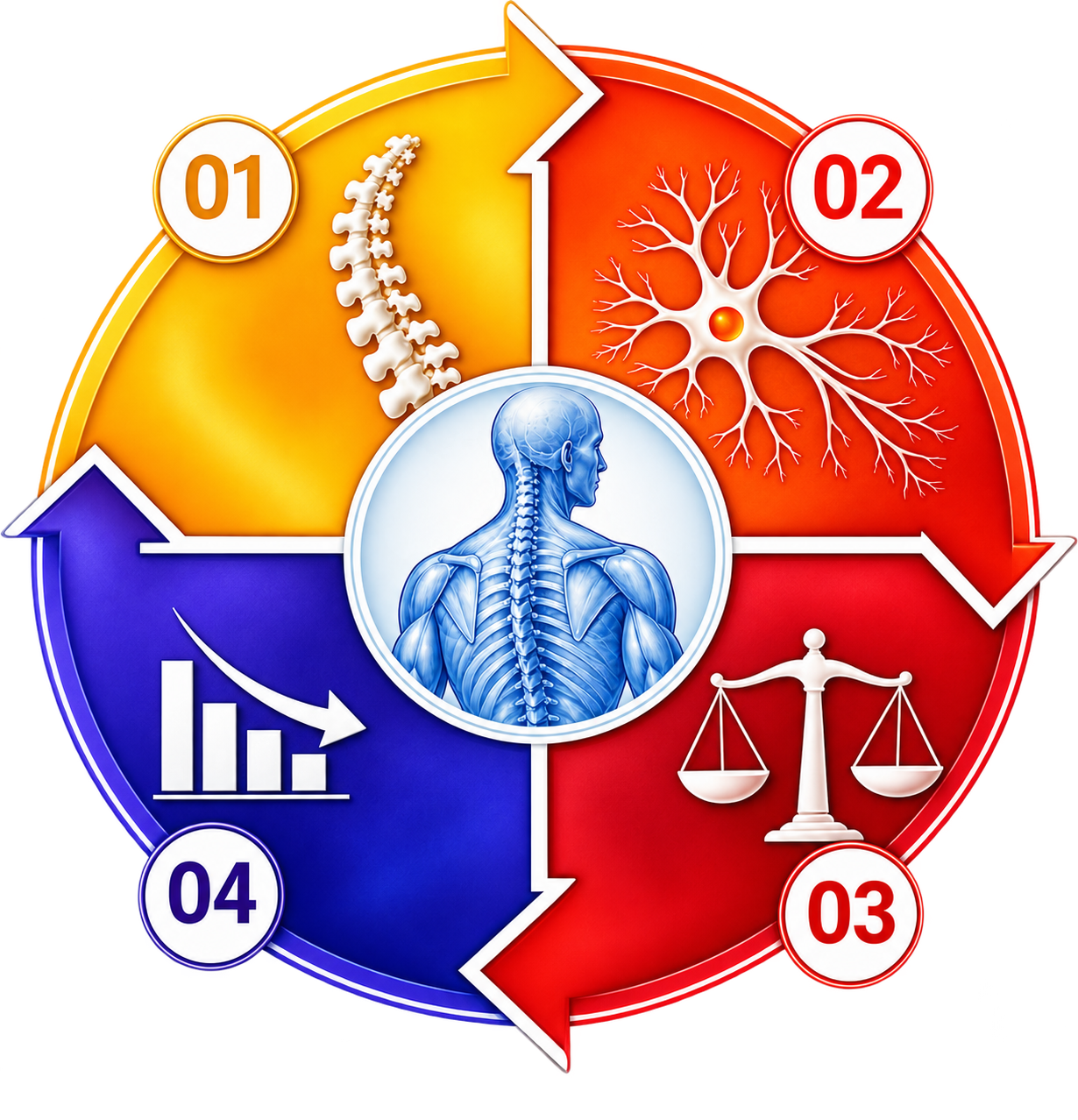
Understanding the Cycle
When anatomy becomes restricted, it can affect the body’s structure, which ultimately impacts function. These restrictions may place pressure on nerves, arteries, veins, and lymphatics, contributing to pain and reinforcing dysfunction. As restriction and pain increase, the body naturally begins to compensate, creating additional structural imbalances that reinforce the cycle. Over time, the body’s ability to compensate becomes less effective, moving it further away from health and toward the disease process.
Osteopathic treatment works to interrupt this cycle by restoring balance to the anatomy, supporting the body’s innate ability to self-heal and self-regulate.

What does treatment look like?
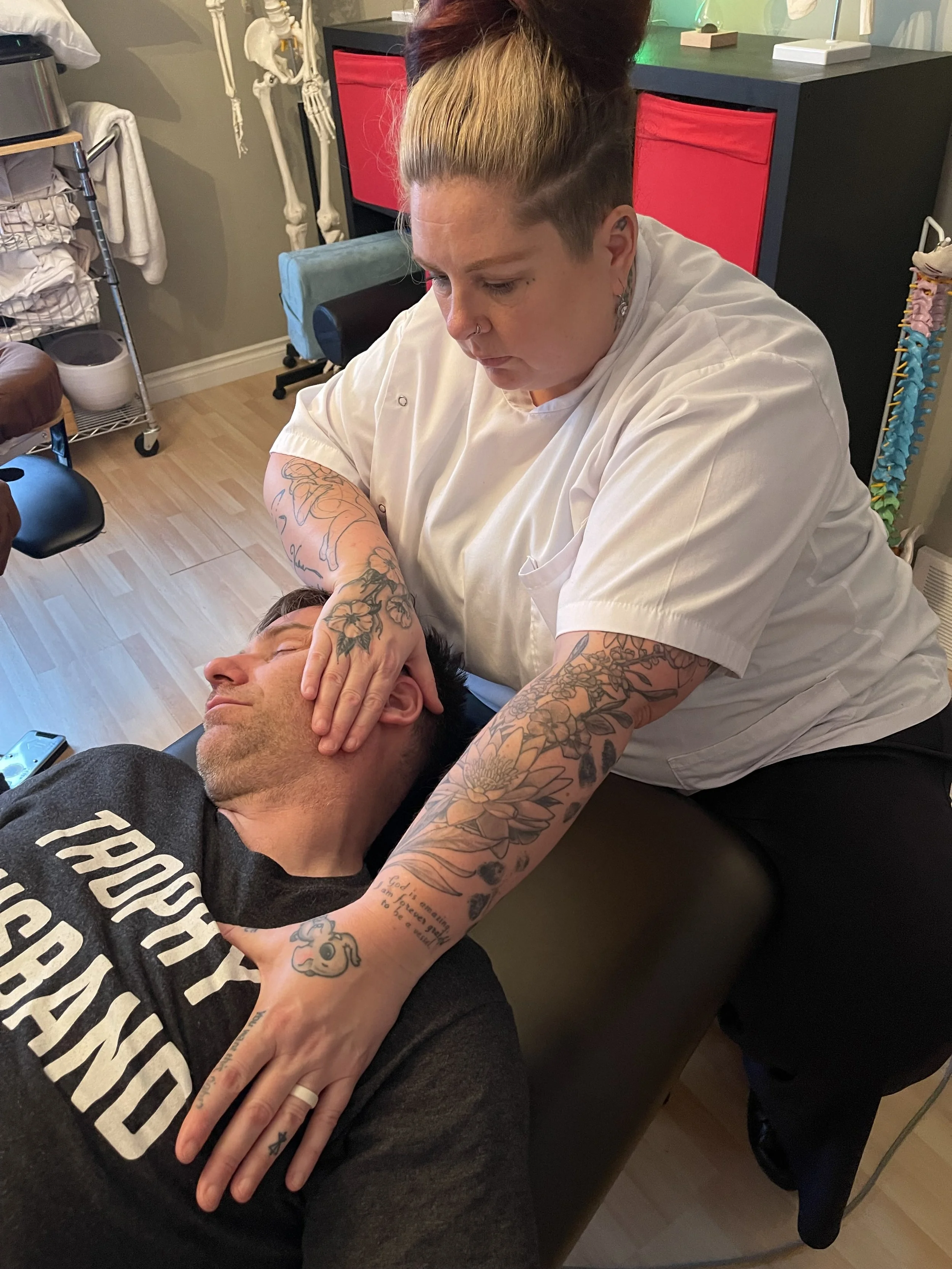
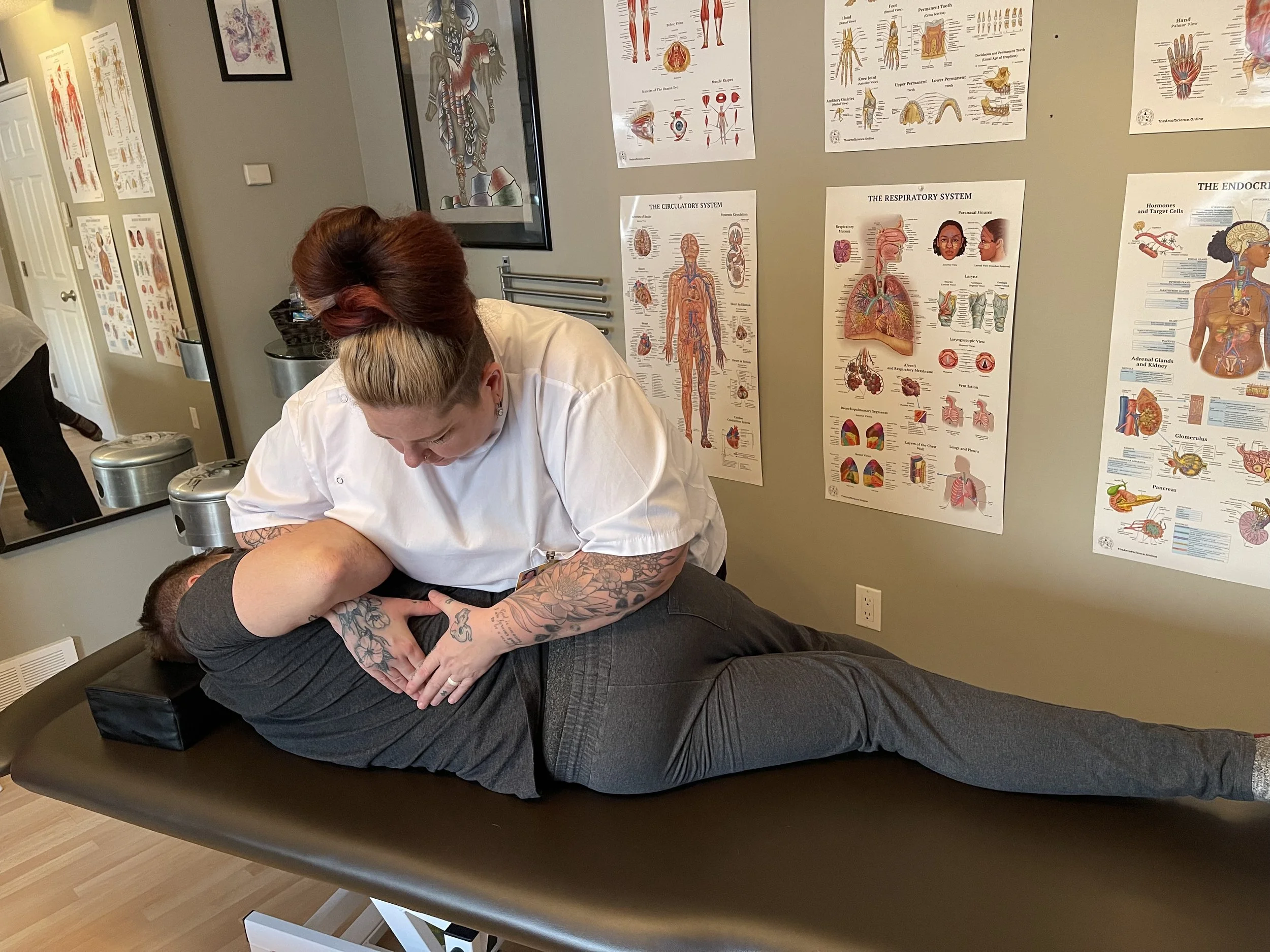
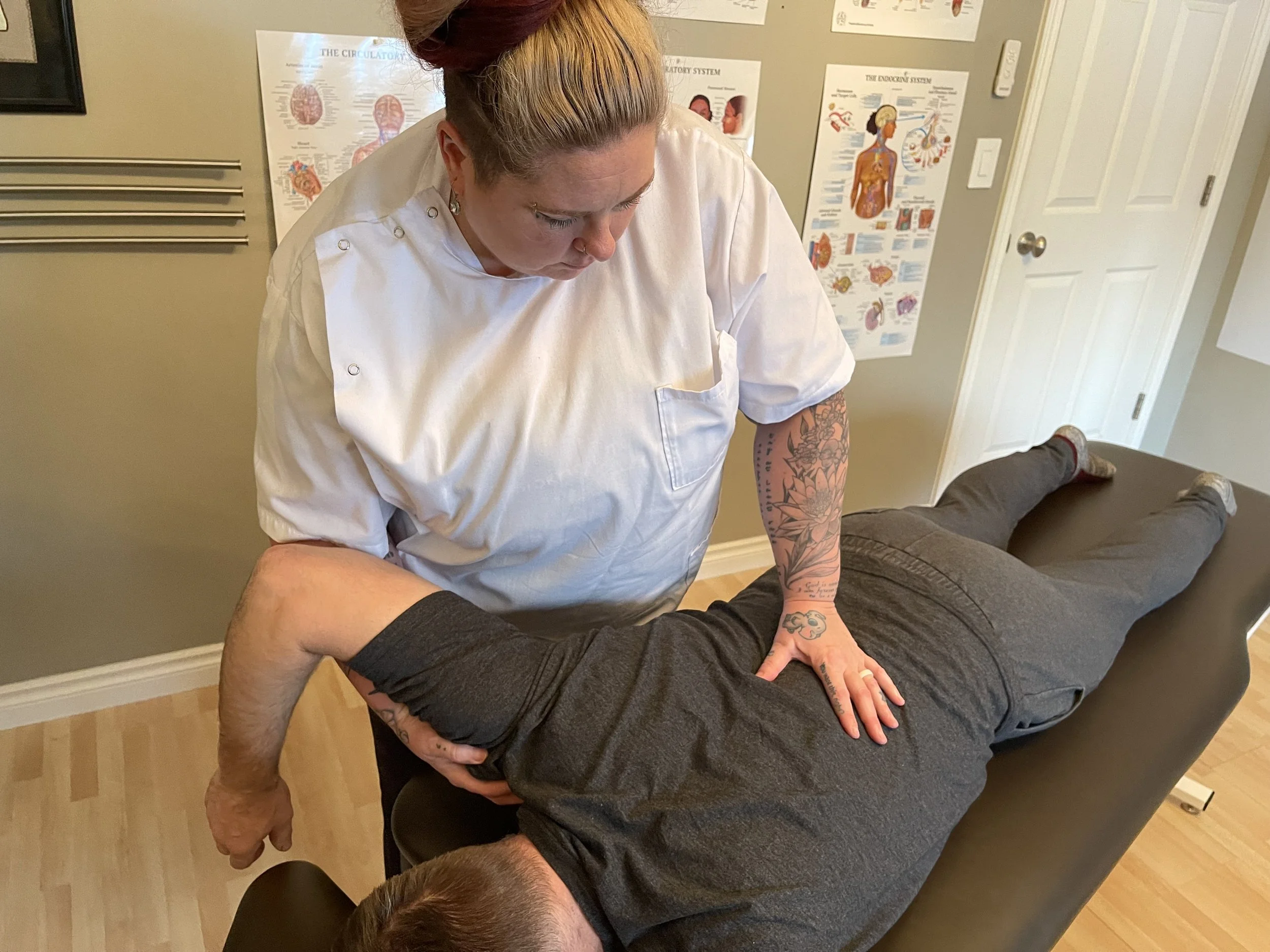
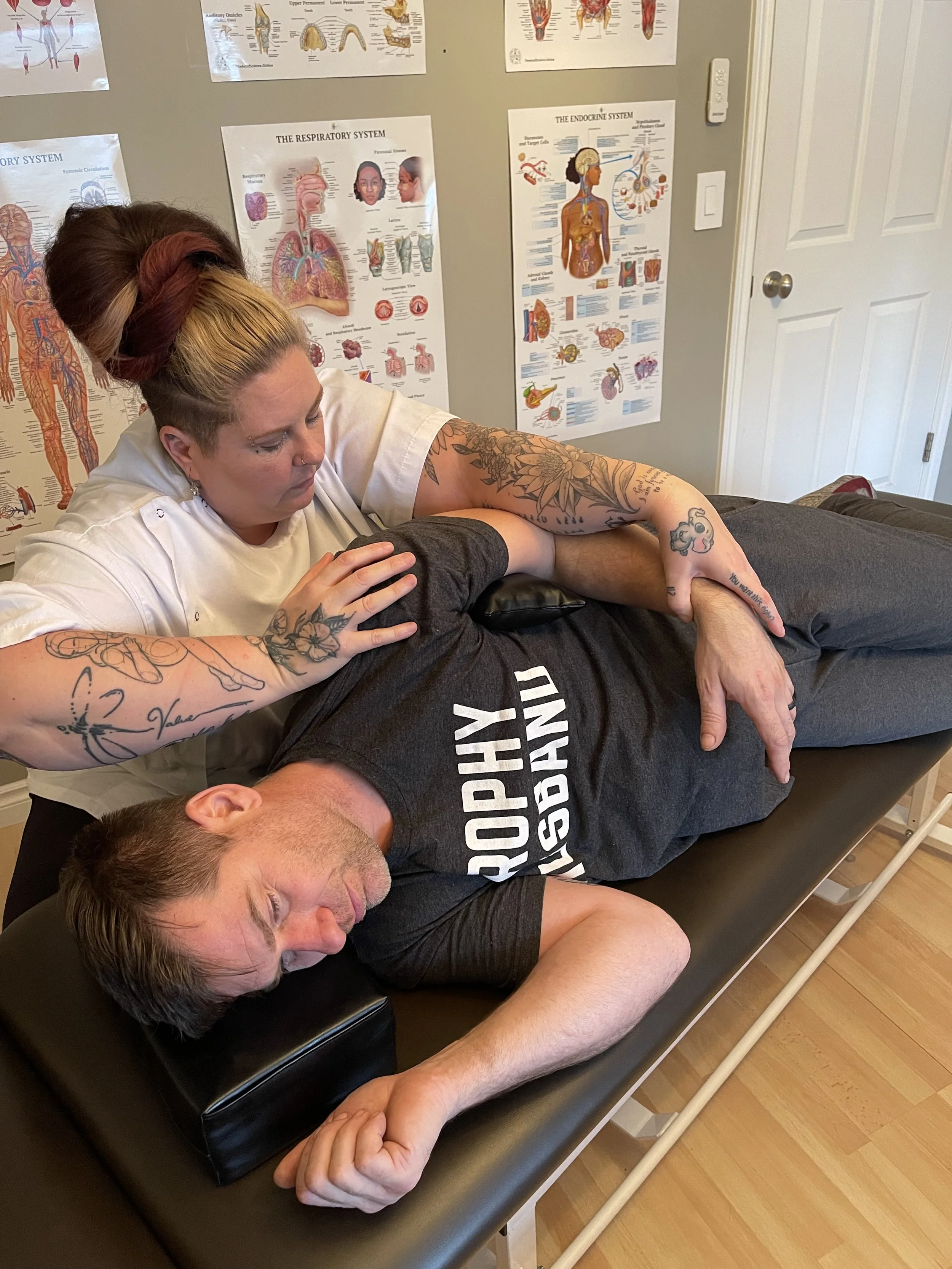
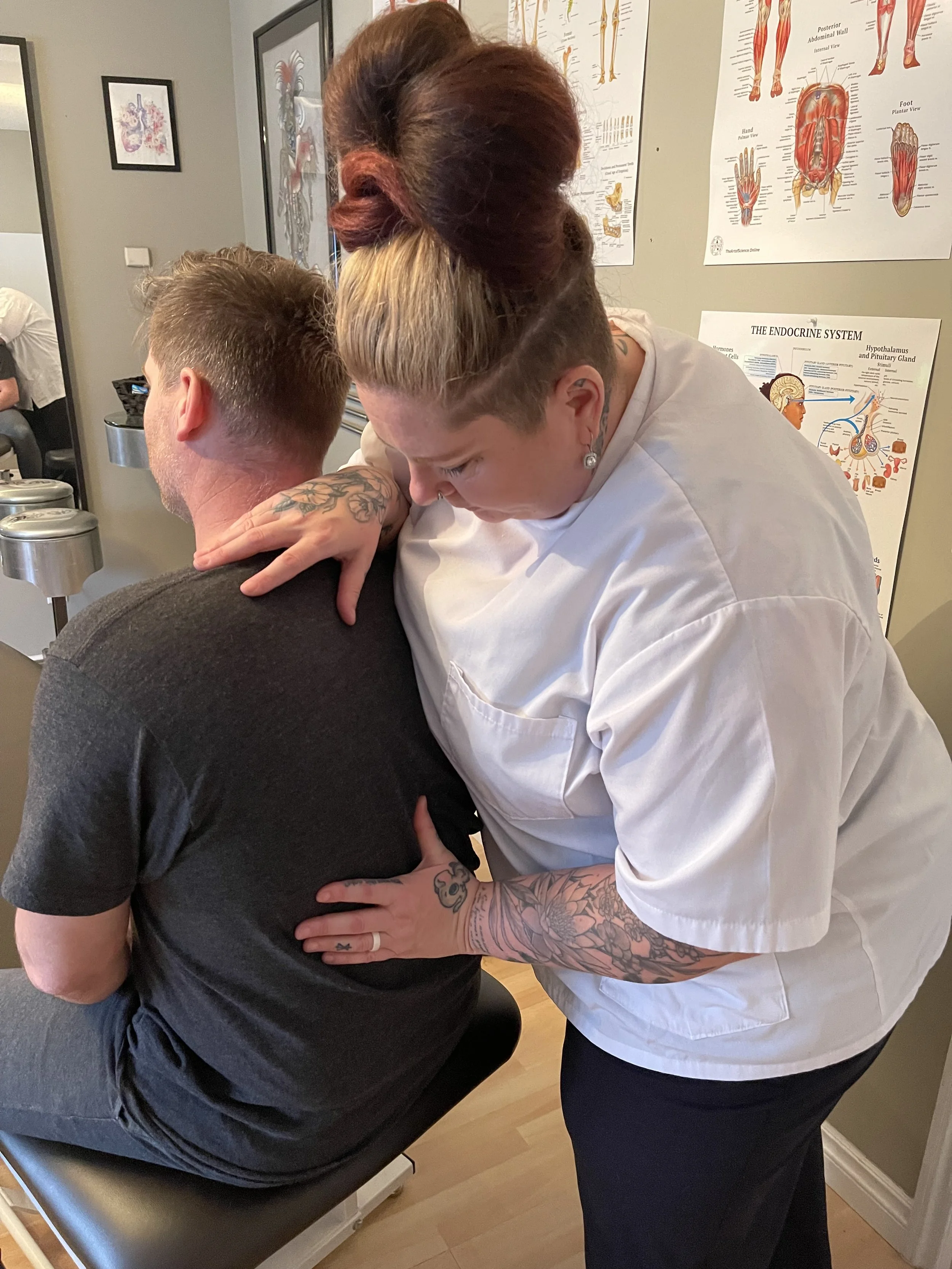
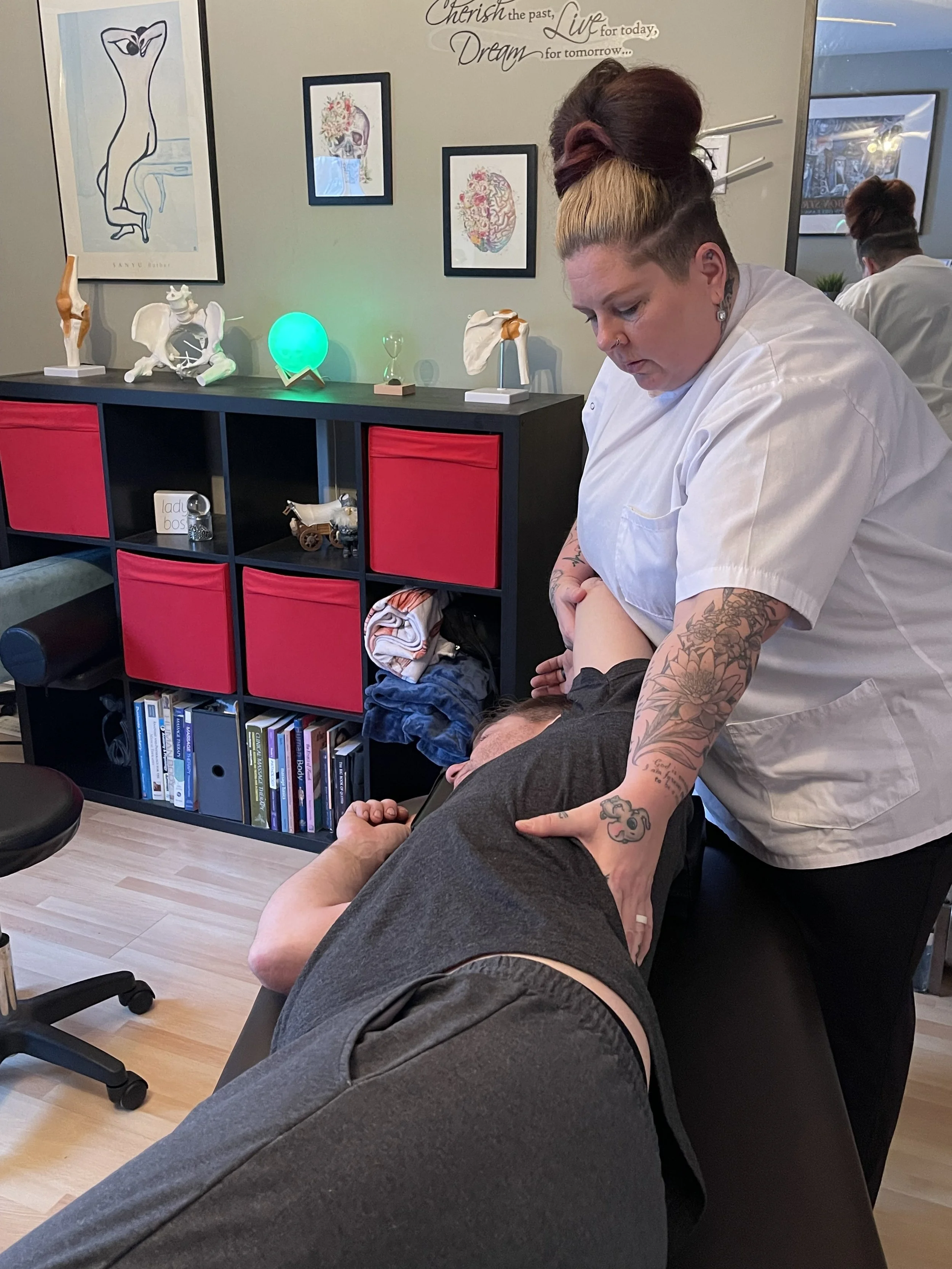
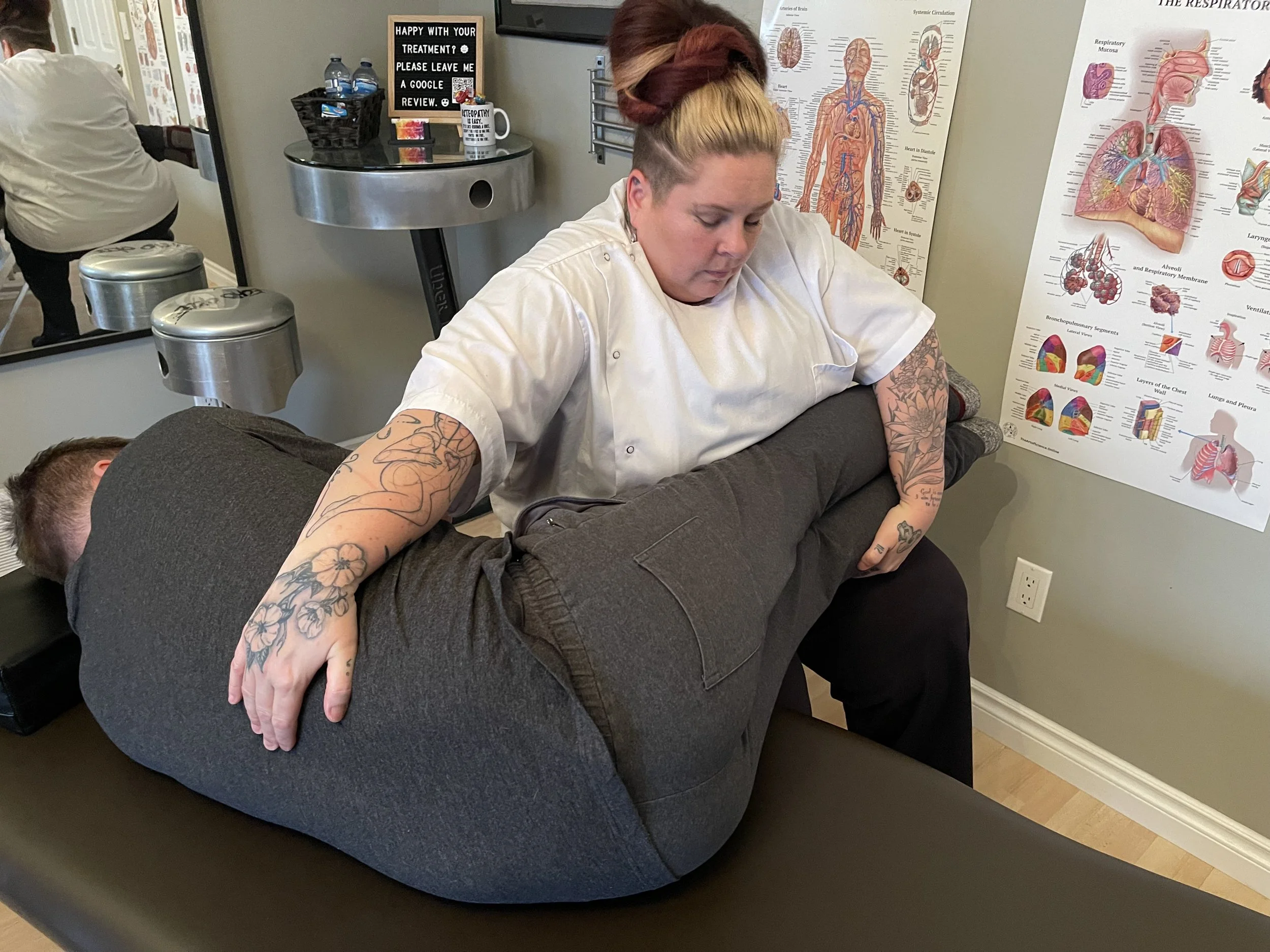
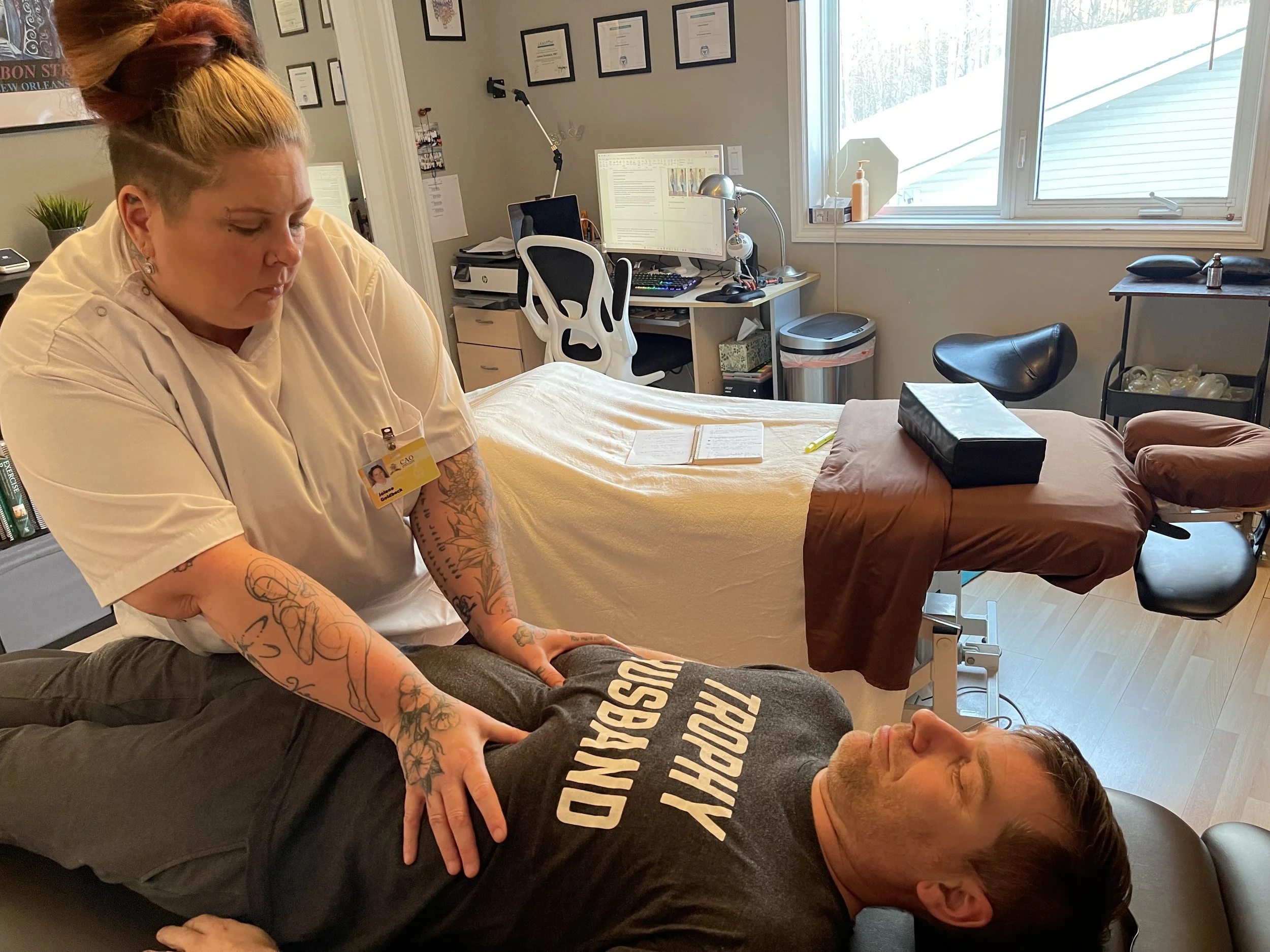
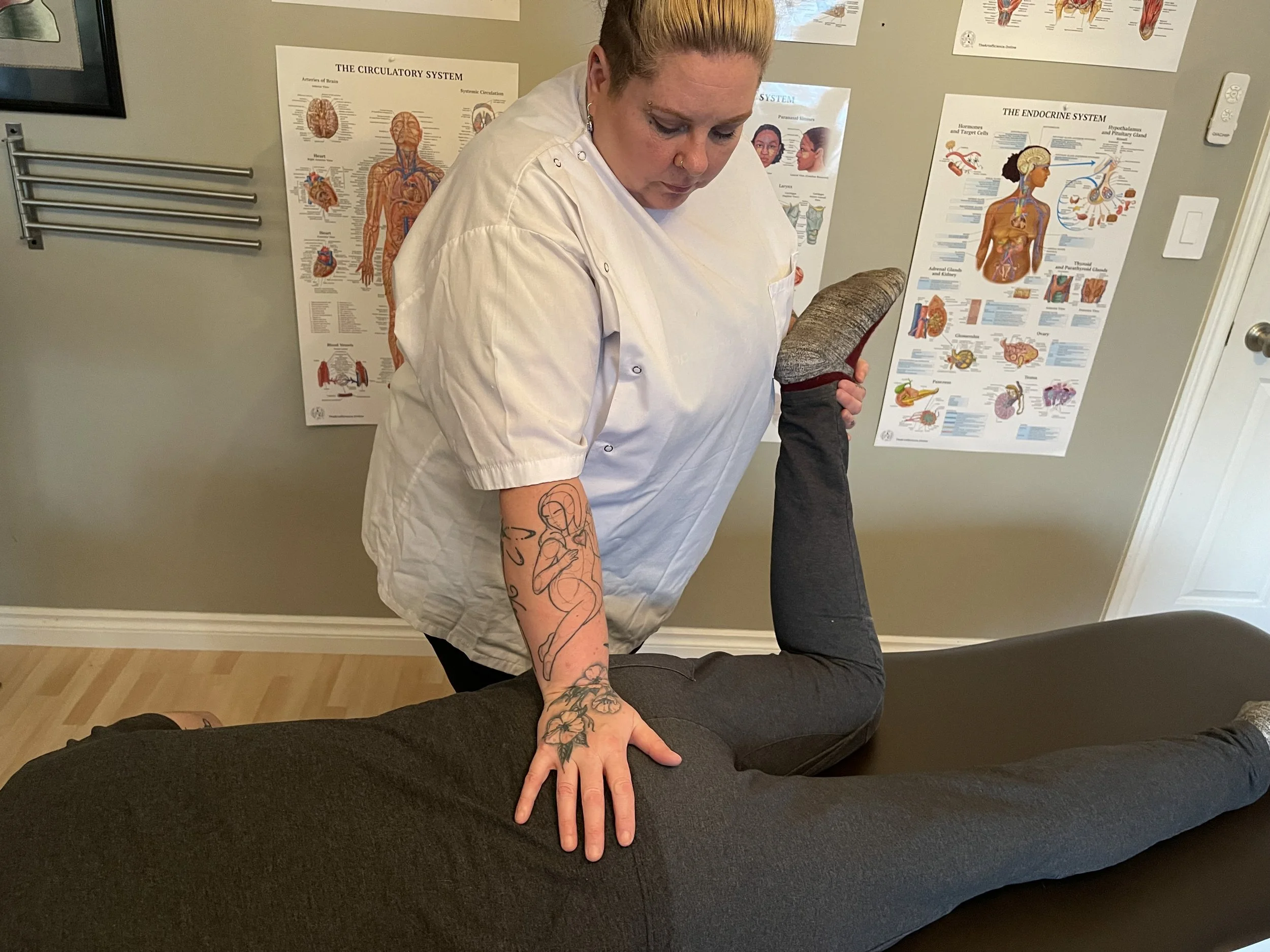
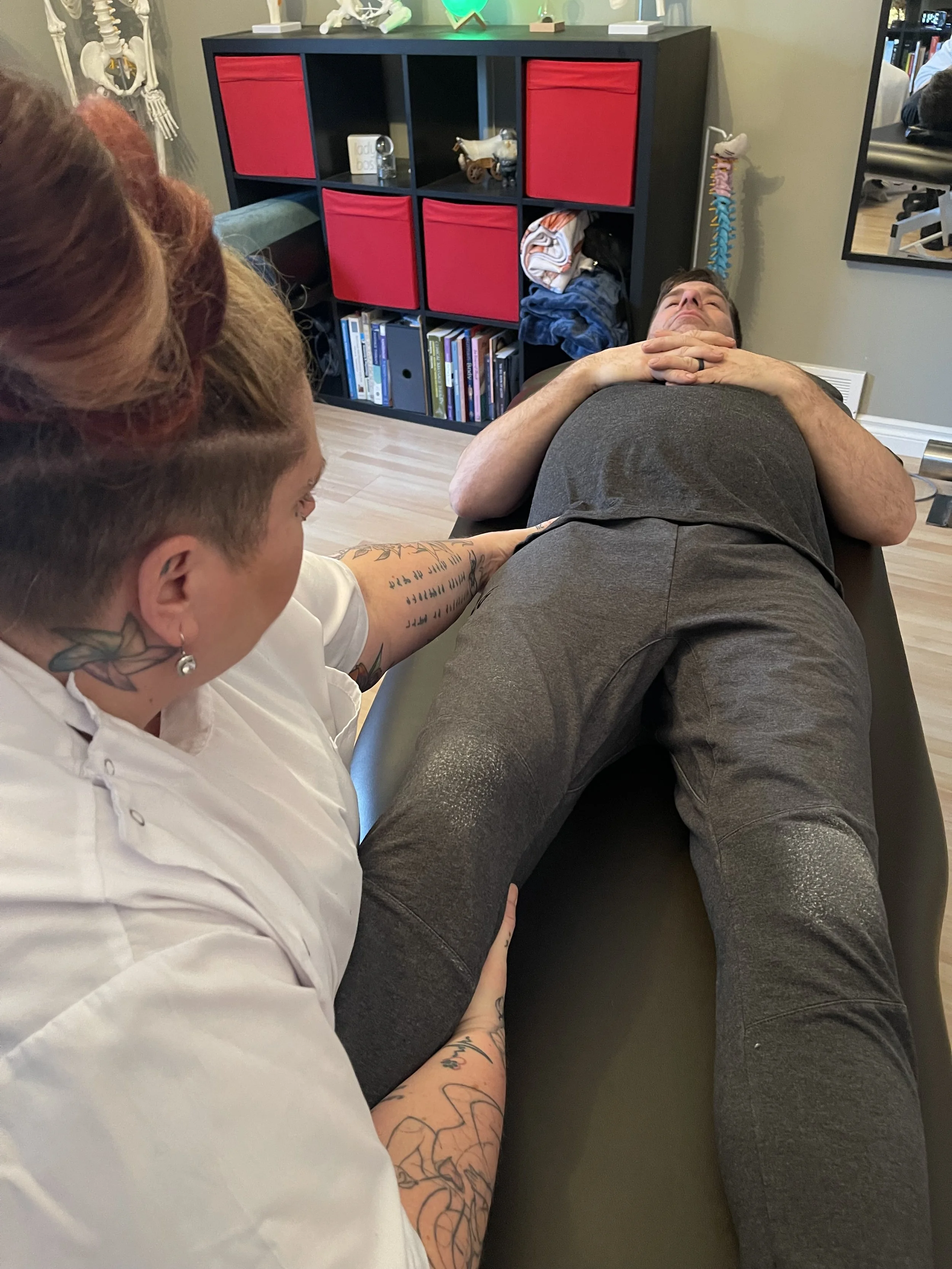
Aspects of treatment may look similar from person to person, after all, we all share the same basic anatomy. I may use the same movements, approaches, or techniques across different treatments, but how they are applied is highly individualized.
Each approach is specifically adapted to the unique restrictions present in your tissues at that moment, including the amount and direction of force your body may be responding to and is capable of reacting to. Osteopathy is a gentle, hands-on manual therapy, but when addressing dysfunction, “gentle” doesn’t always mean completely comfortable. In each treatment, I meet your body where it is that day and aim to provide an approach that supports the nervous system while still creating meaningful improvement.
The type and intensity of treatment will depend on how long you’ve been experiencing the issue and how your body responds. Your lifestyle, overall health, and personal history also play an important role in how your body adapts to treatment and how quickly progress is made.
Your Questions, Answered
-
During your session, I will work through a variety of positions on the treatment table. Please wear comfortable clothing that allows for easy movement while keeping you appropriately covered. Items like athletic wear or loose-fitting clothing work best. I recommend avoiding jeans, dress shirts, or dresses.
-
Your first appointment begins with a thorough conversation about your health history and current concerns. This is a collaborative process, and you’ll have plenty of time to ask questions and feel comfortable before we move forward. I will then complete an assessment followed by a gentle, general treatment. This initial treatment helps me understand how your body moves, as well as your overall constitution and readiness for osteopathic care.
-
Rather than working within a fixed treatment length, each session is guided by what your body needs. While I schedule 30 minutes for appointments, the actual treatment time may vary. Some sessions may be shorter, while others may use more of the allotted time. The intention is always to create meaningful change without overwhelming your system.
-
The effects of treatment continue beyond your appointment. Osteopathic care supports your body’s natural ability to self-regulate and heal, and it’s common for changes to unfold over several days. To allow your body to fully integrate the treatment, you may find it helpful to refrain from other bodywork for 3–5 days afterward.
-
After your initial treatment, we will create a plan that’s tailored to your specific needs. The recommended frequency of sessions depends on how long you’ve been experiencing the issue, as well as how your body responds to treatment.
For more chronic concerns, I generally suggest a series of 3–5 sessions, many people begin to notice changes within this timeframe.
That said, each person’s experience is unique. Your lifestyle, overall health, and personal history all play an important role in how your body responds and how quickly progress is made.
-
I accept all credit cards, debit card, e-transfer and cash. Direct billing is available for eligible TELUS Health providers and Sun Life plans.